
COMPUTER VISION FOR INDUSTRY IN PERU
Cameras that see for you: they sort products, detect defects and count parts on the production line, without anyone having to check them one by one.
We respond in minutes. No pushy sales.
Price Ranges
Prices in Peruvian soles, excluding IGV. Add 18 % if you need an invoice. Payment: 50 % to start, 50 % on delivery.
Get your exact quote — no cost, no commitment.
What is computer vision and where is it used?
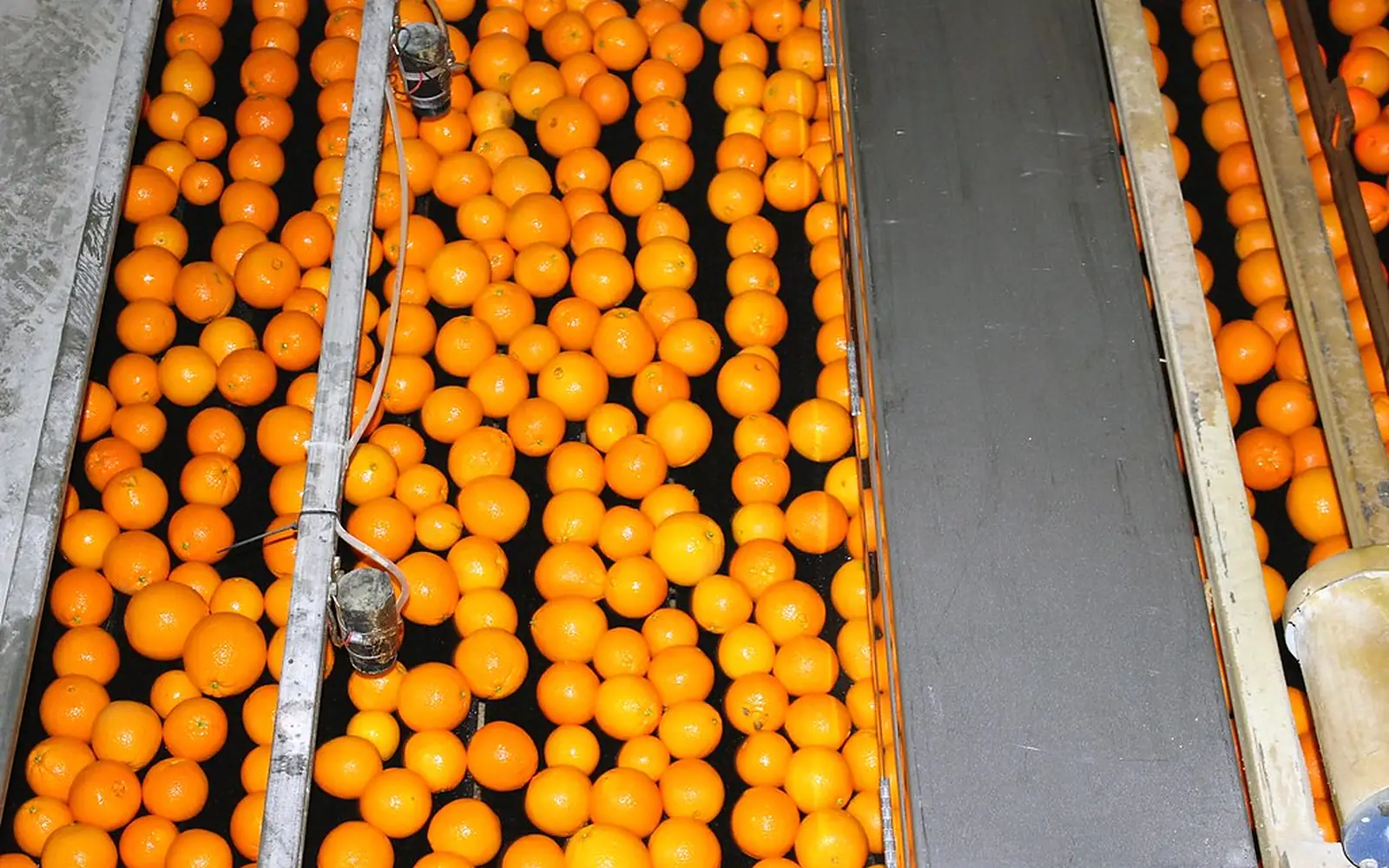
Computer vision is a camera connected to an artificial intelligence model that learns to recognize whatever you teach it: a good product, a defective one, a ripe fruit or one with mold. Every item on the line is inspected instantly and with the same criteria.
That decision can trigger an action: diverting the product with an actuator, counting parts, logging the batch or raising an alarm. Processing happens on a local device next to the line, so it doesn't depend on the internet or send your images to the cloud.
We capture real images of your products and define the quality criteria.
We train and validate the model with your good and bad examples.
We install the camera, lighting and processing unit on the line.
We fine-tune in production and train your operators.
Does your quality control depend on someone looking at every part?
Signs computer vision is right for you
“Quality depends on who is on shift”
Manual inspection depends on fatigue and personal judgment: what one person passes, another rejects.
“Defects reach the customer”
Faulty products or moldy fruit slip past inspection and end up as complaints or returns.
“We count by hand and it never adds up”
Counting parts manually is slow and error-prone, and the mistakes only show up in the inventory.
“We can't speed up the line”
Human inspection sets a limit: the faster the line runs, the worse it gets checked.
Sound familiar?
Let's talk about your situation — for free.
What we solve with computer vision
Automatic quality control
Every part is inspected with the same criteria and the result is logged, shift after shift.
Sorting and separation
Separation by size, color, ripeness or quality, with actuators that route each product to its place.
Defect and disease detection
Bruises, stains, cracks or early signs of mold caught before the batch ships.
Counting and traceability
Part counts per batch and reports you can connect to your ERP or dashboards.
Ready to start? Request your quote now.
Real prototypes built by our team
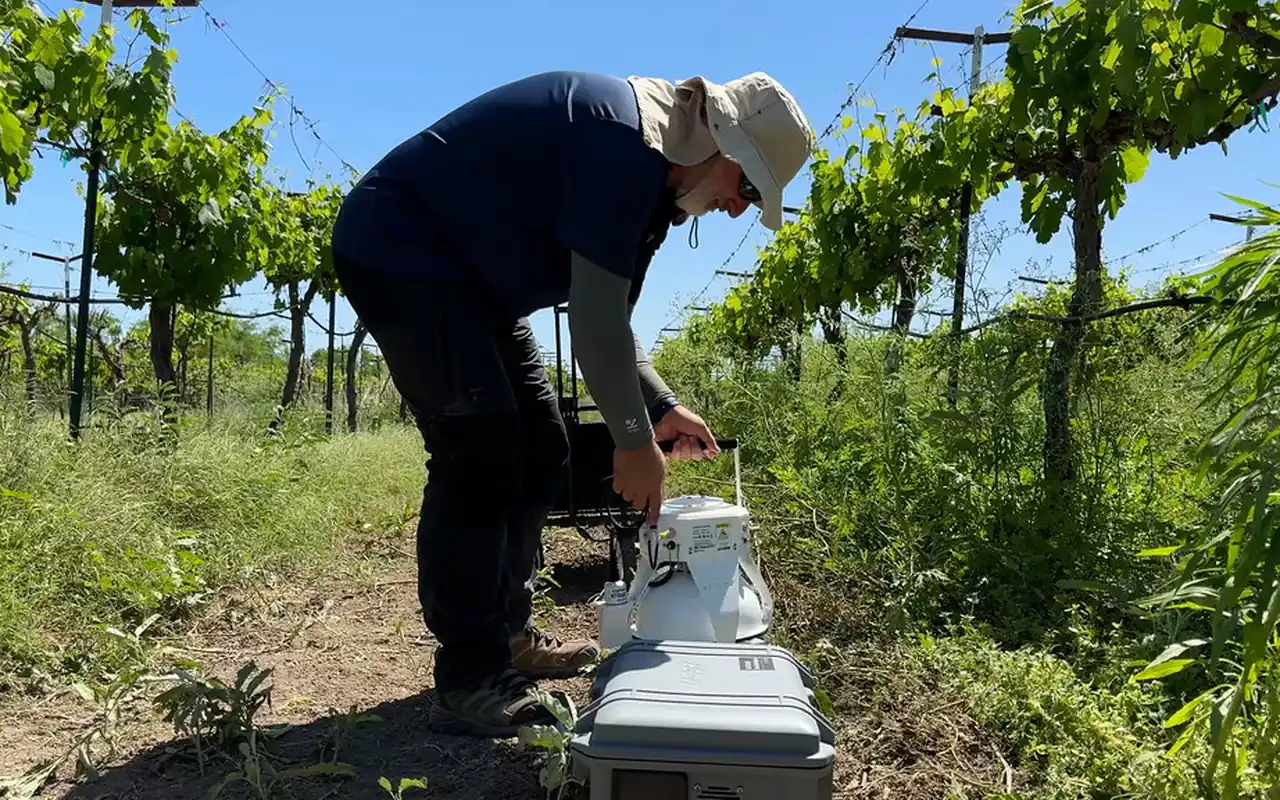 Automatic pump control
IoT environmental monitor
Measures temperature and humidity around the clock, sends an alert when a value goes out of range and switches a water pump on or off automatically. Everything is visible on a web dashboard from your phone.
View IoT Devices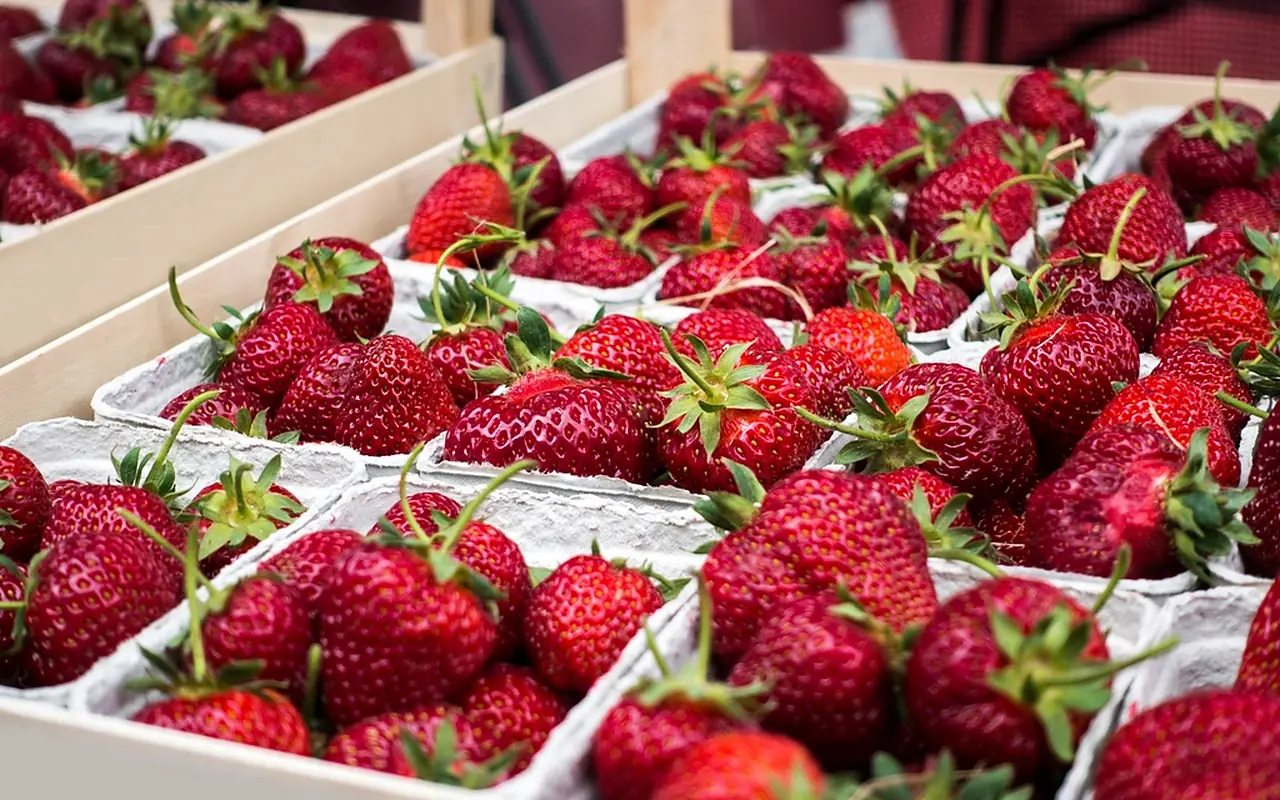 Early mold detection
Strawberry sorter
A camera inspects every strawberry on the line, sorts it by quality and spots early signs of mold — without anyone having to check them one by one.
View Computer VisionFrom first conversation to delivery, in 15 days
 Day 0 · < 2 hrs
You write in
We reply with 3 concrete questions over WhatsApp. No 5-field forms.
 Day 1
Locked-in price
You get scope and price in writing. If it's not a fit, it ends there — no chasing.
 Days 2–12
We build
Watch progress on a live link. Two rounds of changes included.
 Day 15
Live + measurement
We launch with analytics and lead capture set up. We show you how to read the numbers.
In depthThe full technical detail, why we work this way, and what sets us apart
Why custom computer vision
Trained on your products
The model learns from real images of your line, not generic photos from the internet.
Works offline
Processing happens next to the line: fast, private and independent of your connection.
From prototype to production
We validate with a prototype before scaling, so you invest knowing it works.
One line, four services
Sensors produce data, cameras make decisions, 3D parts protect the equipment and training makes sure your team uses all of it. Start with one and add the rest later.
Computer vision FAQ
A computer vision project starts at S/ 8,000 for one inspection station with a camera, lighting, processing unit and a trained model. The final price depends on line speed, the number of categories to sort and whether automatic separation is needed.
No. The model runs on a local device next to the production line. Internet is only needed if you want online reports or remote alerts.
It depends on how varied your products and defects are. We usually start with a few hundred images per category taken on your own line, and the model keeps improving with the cases that show up in production.
Yes. It is one of the most common uses: sorting fruit by size, color or ripeness and detecting bruises or early signs of mold. Our strawberry sorter is an example of this kind of project.
Yes. The camera makes the decision and an actuator (gate, air jet or arm) routes each product to the right lane, with no human intervention.
The model can be retrained with new images. That adjustment is part of our support, so the system evolves with your production.
More questions? Write to us — no commitment.
Let a camera inspect every part for you
We respond in minutes. No pushy sales.